This year has seriously challenged my understanding of relationships and boundaries. I’ve had to end connections with long-time friends and come to terms with the reality that people change, or sometimes they don’t. The hard lesson learned is to let people be themselves and accept them for who that is, even if it doesn’t fit how we want them to be.

I’ve realized that I was investing my time and emotions into relationships where I wasn’t appreciated, putting people in positions of importance they didn’t deserve. I had conversations I didn’t want to have and had to let go of the “idea” of conversations that would never happen.
Like the recovering alcoholic I am, I made some poor choices and wasn’t my best self during my drinking days. The struggle for sobriety lasted for years, I always had a really hard time around the 6-month mark, a point where I’ve stumbled over and over in the past. For a while there I felt like I was collecting 6-month sobriety coins.

That’s why the fact that in a few months, I could soon be celebrating five years of sobriety is such a significant achievement. I’m genuinely proud of the progress I’ve made and the quality of life I now enjoy.
Some things still serve as reminders that I’ve made mistakes in the past, and then there are the moments when other people feel they need to remind me that I made mistakes in the past. Believe me, I’m aware of my lack of perfection.
What disappoints me most is when they think that I now have to accept their bad behavior. Wrong. I’ve had to come to terms with the fact that in some people’s stories, I’ll always be the villain, regardless of my changes or apologies. I can’t force someone to heal or let go of the past because that’s their journey, not mine. Apologies and personal growth may not always be enough to mend broken relationships. So what do we do then?

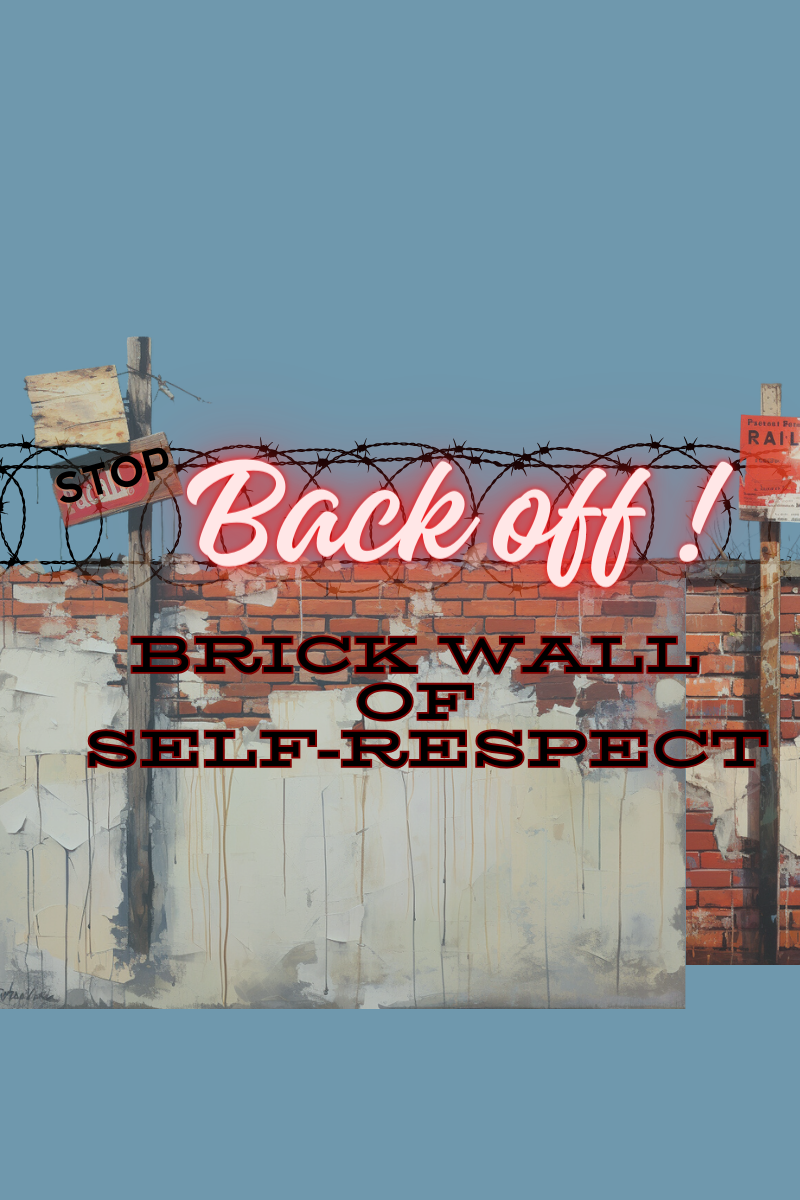
Setting boundaries can be challenging, but it’s essential. They don’t have the right to use your past as an excuse for disrespect continually. However, they have the right to their feelings, just as you do. If you’ve genuinely apologized and transformed your life, but someone else can’t move forward or still resents you, then developing healthy boundaries is necessary. I also think that in some relationships we just need to practice acceptance.

Accept that we have done our part and now it’s time to let them navigate their path. Holding onto some hope that you can come out the other side with a different but stronger relationship with the other person, and also with yourself.
So, if someone keeps using your past to justify their bad behavior, remember their perspective but don’t allow them to keep you stuck or harm you so they feel better. It’s vital to be open and honest about what’s happening, and your feelings, and be sure to discuss solutions. “What do we do now?” Establishing healthy boundaries is a crucial step!

Boundaries, acceptance, and hope for a brighter future can be a healthy approach when facing lingering resentments. If, after all your efforts, the relationship remains unhealthy, consider seeking therapy or, when necessary, distance with love, especially if it’s a significant relationship.

In the recovery journey, remember that setting boundaries can protect your well-being, acceptance can provide a foundation for healing, and hope can be a powerful motivator for personal growth and reconciliation.

Each situation is unique, and the best approach may vary, but by embracing these principles, you empower yourself to navigate the complex landscape of relationships and recovery.

Boundaries: Setting and maintaining healthy boundaries is crucial in any relationship. Boundaries define what behavior is acceptable and what is not. They protect your emotional well-being and can help prevent further harm in situations where resentment may exist. Boundaries also create clarity and structure in relationships, making it easier for both parties to understand each other’s expectations.

Acceptance: Acceptance is an essential part of personal growth and healing. It involves acknowledging the reality of a situation, including past mistakes and conflicts. It doesn’t necessarily mean condoning or agreeing with negative behavior, but rather recognizing that certain things have happened and cannot be changed. Acceptance is a foundation for moving forward and finding peace.

Hope for a Brighter Future: Maintaining hope is vital for personal well-being and recovery. Hope allows individuals to believe in the possibility of positive change and personal growth. It motivates me to work on resolving conflicts and improving relationships. Hope can be a driving force for healing and reconciliation.
To those who’ve supported me in my recovery, thank you. To those I’ve hurt or disappointed while in the depths of alcoholism, I’m genuinely sorry. I can’t change the past but I can live my life by striving to treat people with compassion and kindness, and helping people when I can.

My wish for everyone is that they find healing and the ability to release what no longer serves them. This is just my humble Recovery Perspective. The path to recovery is personal and ever-evolving.