🐾 The Healing Power of Emotional Support Animals in Recovery (Featuring Kota)
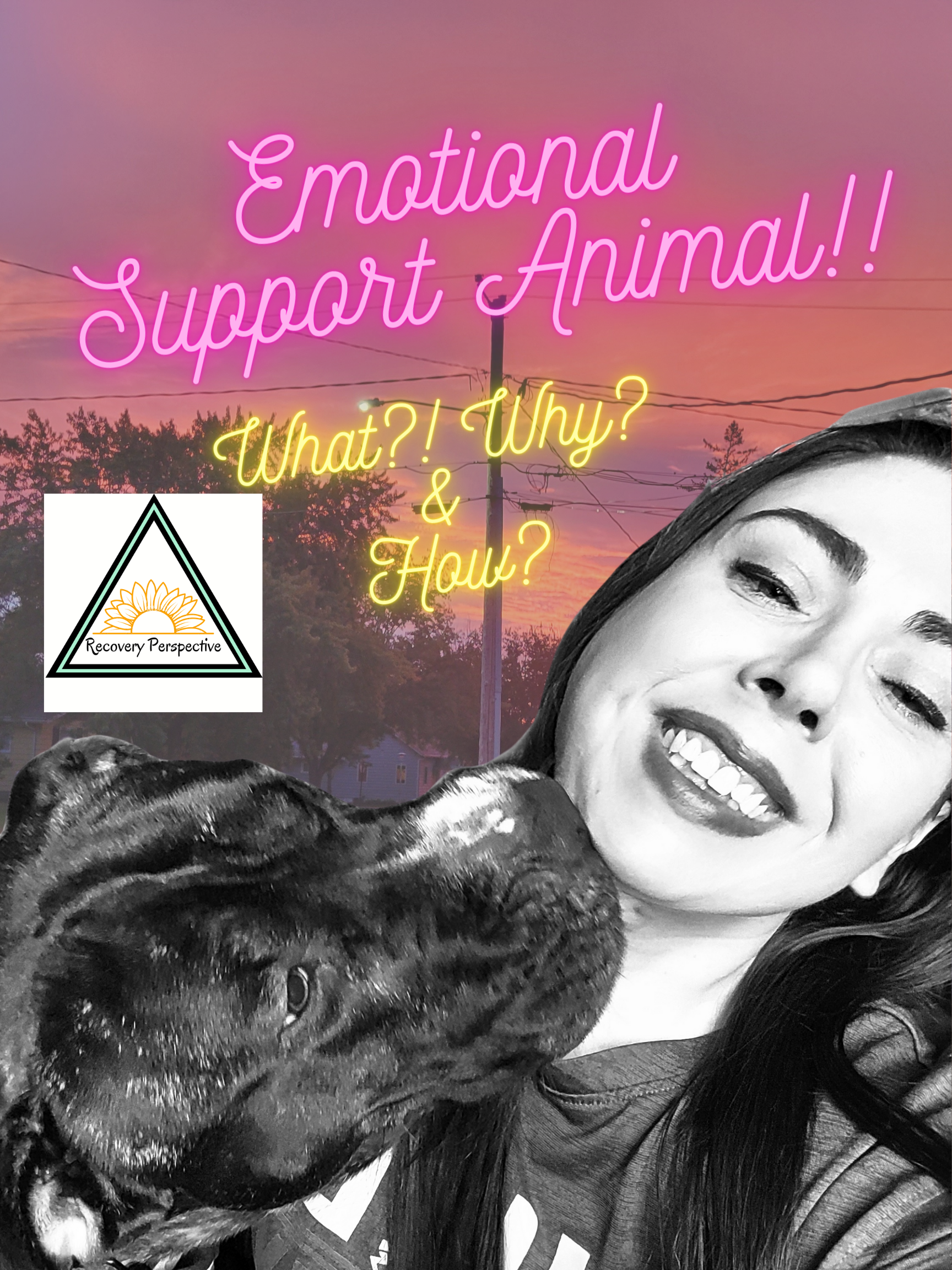
Emotional support animals in recovery can provide comfort, stability, and emotional healing during one of life’s most challenging journeys. For many people, having a companion like Kota can make all the difference.
“Take a moment… this is Kota 🐾”
Sometimes healing doesn’t come in words… sometimes it comes with four legs, a wagging tail, and eyes that understand more than we think.
Meet Kota, a reminder that support doesn’t always look like therapy sessions or meetings. Sometimes, it looks like quiet companionship.
What Are Emotional Support Animals in Recovery?
Pets have always brought joy and companionship, but emotional support animals (ESAs) go a step further.
An emotional support animal is a companion animal that provides comfort and relief to individuals experiencing emotional or mental health challenges. Unlike service animals, ESAs are not trained to perform specific tasks, but their presence alone can have a powerful therapeutic effect.
They’re not just pets, they’re partners in healing.
Benefits of Emotional Support Animals in Recovery
Recovery isn’t just about stopping something; it’s about rebuilding your life. That process can feel overwhelming, lonely, and emotional. This is where ESAs can make a real difference.
Emotional support animals in recovery provide more than comfort; they create a sense of stability and connection during difficult moments.
🧘♀️ Reduces Stress and Anxiety
The recovery journey can bring waves of anxiety. Spending time with an animal, like petting or simply sitting with them, can help regulate your nervous system and create a sense of calm.
🤝 Increases Connection and Support
Isolation is one of the biggest challenges in recovery. ESAs provide unconditional companionship, and they can even help open the door to conversations with others.
🕰️ Builds Routine and Responsibility
Taking care of an animal creates structured feeding times, walks, and daily care. That structure can be incredibly grounding when everything else feels uncertain.
💛 Boosts Mood and Self-Worth
There’s something powerful about being needed. ESAs remind you that you matter, that you’re capable of caring for something, and that you are worthy of love.
⚠️ Important Update: ESA Laws & Reality (2026)
This is where we want to update your original post for accuracy:
- ESAs are protected under housing laws (like the Fair Housing Act in the U.S.)
- They are NOT service animals
- They are NOT allowed in most public places (like restaurants or stores)
- There is NO official ESA registry recognized by law
👉 That means:
You do NOT need to register your ESA online, and many paid “registrations” are misleading.
How to Qualify for an Emotional Support Animal
1. Talk to a Licensed Mental Health Professional
You must have a diagnosed emotional or mental health condition.
2. Get an ESA Letter
This is the only documentation that matters: a letter from a licensed provider stating that an ESA is part of your treatment plan.
3. Choose the Right Companion
Dogs and cats are most common, but what matters most is your connection. The right animal can bring you peace, comfort, and stability.
Emotional support animals don’t just help one person; they often become part of the entire family’s healing.

Seeing Kota curled up on the couch with my daughter is a reminder that comfort and connection ripple outward. In recovery, those small moments of peace and togetherness matter more than we realize. It’s not just about getting through the hard days; it’s about rebuilding a life that feels safe, supported, and connected again.
🐶 Kota’s Reminder
Kota doesn’t know anything about recovery programs, diagnoses, or treatment plans.
But Kota knows how to:
- Sit beside you when you’re overwhelmed
- Celebrate the small wins
- Stay… even on the hard days
And sometimes, that’s exactly what healing looks like.
Frequently Asked Questions
What is an emotional support animal?
An emotional support animal provides comfort and emotional stability to individuals with mental or emotional conditions. They do not require specialized training like service animals.
Do emotional support animals need certification?
No, there is no official registry. The only requirement is a letter from a licensed mental health professional.
Can emotional support animals go anywhere?
No, ESAs are not allowed in most public places, but they are protected under housing laws.
Can any animal be an emotional support animal?
Yes, many types of animals can serve as emotional support animals, as long as they provide comfort and support to their owner’s mental or emotional health needs.

🌿 Final Thoughts
If you’re in recovery and feeling alone, overwhelmed, or unsure of your next step, an emotional support animal might be something worth exploring.
Not as a “fix”… but as a companion on the journey.
Because healing doesn’t always happen in big moments.
Sometimes it happens in quiet ones…
with a loyal friend right by your side.
Recovery is about more than just staying sober; it’s about rebuilding your sense of self. If you’re working through that process, you might also find this helpful: rebuilding self-worth in recovery.
Finding healthy ways to cope, like journaling, reflection, or companionship, can make a big difference during recovery.

According to the Substance Abuse and Mental Health Services Administration, emotional support and connection are key components of long-term recovery and mental health stability.
⚠️ Disclaimer
This content is for informational purposes only and is not a substitute for professional medical or mental health advice. Always consult with a qualified provider regarding your specific situation.