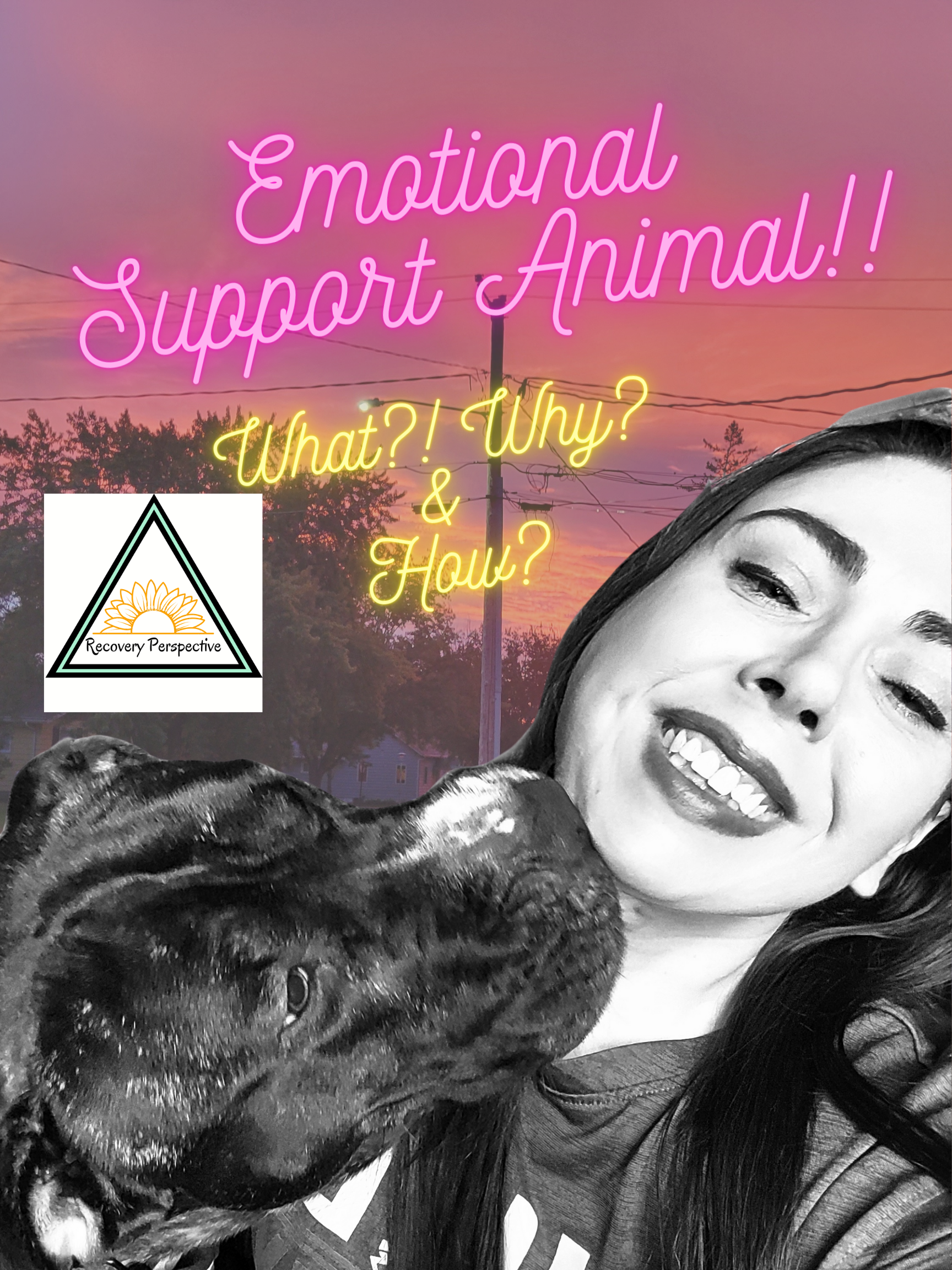
Pets have always been known for their ability to bring joy and companionship to their owners. But did you know that pets can also serve as emotional support animals (ESAs), providing comfort and relief to people who suffer from mental or emotional disorders? In this blog post, we’ll explore the many ways in which having an ESA can be paw-sitively life-changing, especially for people in recovery.
What is an ESA, you ask? Well, it’s basically a furry therapist that doesn’t charge by the hour! An emotional support animal is a pet that provides therapeutic support to its owner, helping to alleviate symptoms of emotional or mental disorders. Unlike service animals, which are specifically trained to perform tasks for people with disabilities, ESAs don’t require any special training or certification. Instead, they provide emotional support simply by being there for their owners.
So, how can an ESA be life-changing, especially for people in recovery? Let’s take a look:
- Reduces stress and anxiety
Recovering from addiction can be an incredibly stressful and anxiety-inducing process. ESAs can help reduce stress and anxiety by providing a calming presence and a sense of security. Simply petting an ESA has been shown to lower blood pressure and heart rate, which can help ease feelings of stress and anxiety.
- Increases social support
Social support is crucial to the recovery process, and ESAs can help increase social support by providing a source of unconditional love and companionship. ESAs can also serve as conversation starters and icebreakers, helping their owners connect with others and build a sense of community.
- Provides a sense of purpose and responsibility
Recovery is a journey that requires commitment and dedication. Having an ESA can provide a sense of purpose and responsibility, as well as a reason to stay sober. Taking care of an animal can help recovering individuals develop a sense of structure and routine, which can be incredibly helpful during the recovery process.
- Boosts mood and self-esteem
Recovering from addiction can take a toll on one’s self-esteem and mood. ESAs can help boost mood and self-esteem by providing a source of unconditional love and affection. Having a loyal companion who is always happy to see you can help you feel loved and appreciated, which can lead to increased feelings of self-worth.
Now that you know why having an ESA is so paw-sitively amazing, you may be wondering how to get one. The process is actually quite simple:
- Talk to your mental health provider
In order to qualify for an ESA, you must have a diagnosed mental or emotional disorder. Talk to your mental health provider to see if an ESA would be a good addition to your treatment plan.
- Get an ESA letter
Once you’ve determined that an ESA would be beneficial for you, you’ll need to get an ESA letter. This is a letter from your mental health provider that states that you have a mental or emotional disorder and that an ESA would be beneficial for your treatment.
- Find the perfect furry companion
Once you have your ESA letter, it’s time to find the perfect furry companion. Consider your lifestyle and the type of pet that would be best for you. Dogs and cats are popular choices, but other animals, such as rabbits and birds, can also make great ESAs.
- Register your ESA
While registration isn’t required for ESAs, it can be helpful to have documentation of your pet’s status. There are several online services that offer ESA registration for a fee.
In conclusion, if you’re in recovery and looking for a paw-sitively life changing experience, consider getting an ESA. These furry therapists can provide a wealth of benefits, from reducing stress and anxiety to boosting mood and self-esteem. And let’s be honest, who wouldn’t want a furry friend by their side during the recovery process?
But seriously, getting an ESA can be a great way to enhance your recovery journey. Just remember to talk to your mental health provider to see if it’s a good fit for you, and make sure to get an ESA letter so you can bring your furry friend with you wherever you go. And if you need a little extra support, don’t hesitate to reach out to a support group or a furry friend for a good cuddle session.
So go forth and find your furry companion! With an ESA by your side, you’ll be well on your way to a happy, healthy, and paw-some recovery journey.