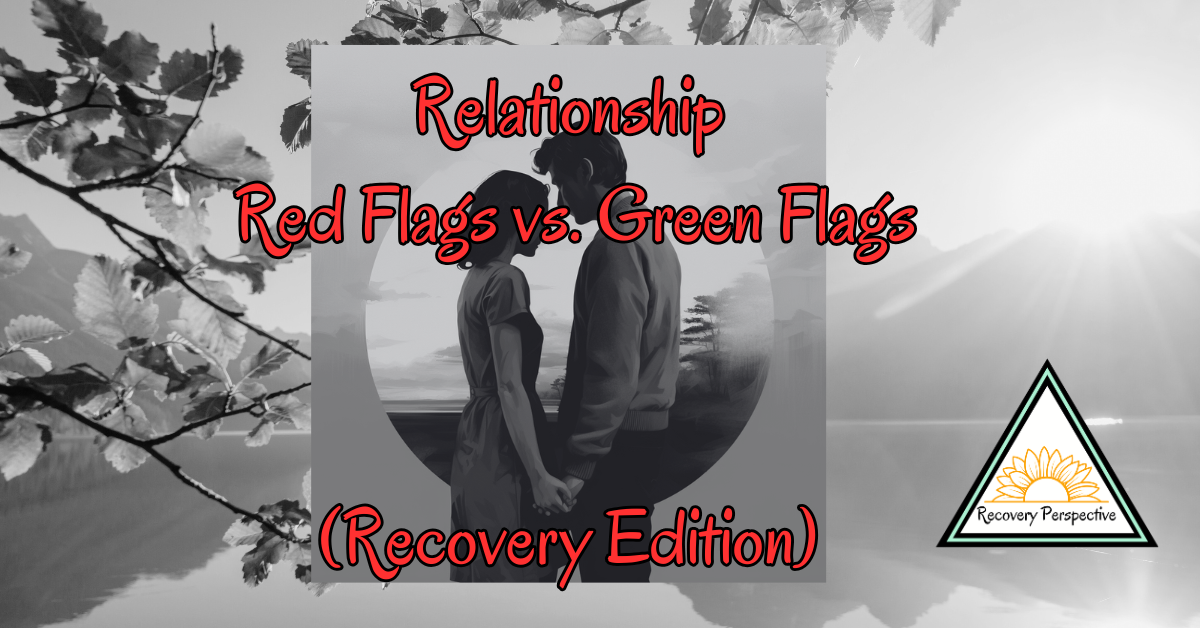
Relationship Red Flags vs. Green Flags (Recovery Edition)
Recovery changes many things in life, including how we see relationships. When we are in addiction or early recovery, our ability to recognize healthy relationship dynamics can be blurred by past trauma, codependency, or low self-worth.
Learning to recognize relationship red flags in recovery can help protect your sobriety, emotional health, and long-term healing.
Many of us were used to chaos. We might have mistaken intensity for love, control for protection, or manipulation for care. Recovery allows us to relearn what healthy relationships actually look like.
Understanding the difference between relationship red flags and green flags can help protect your sobriety, emotional health, and future happiness.
Why Relationships Matter in Recovery
The people we allow into our lives can either support our recovery or quietly undermine it.
Healthy relationships provide:
- emotional safety
- encouragement
- accountability
- mutual respect
Unhealthy relationships often bring:
- stress
- triggers
- instability
- emotional manipulation
Learning to recognize the signs early can help prevent getting pulled back into unhealthy cycles.
Relationship Red Flags in Recovery 🚩
Relationship red flags are warning signs that a relationship may be unhealthy or unsafe. One red flag alone does not always mean a relationship is doomed, but repeated patterns should never be ignored.
Common relationship red flags include:
Disrespecting your recovery
Someone who pressures you to drink or use substances, or dismisses the importance of your sobriety, is not supporting your healing.
Ignoring boundaries
Healthy people respect boundaries. If someone repeatedly pushes past limits you set, that’s a serious warning sign.
Emotional manipulation
This may include guilt-tripping, gaslighting, or making you feel responsible for their emotions or behavior.
Extreme jealousy or control
Checking your phone, monitoring your activities, or isolating you from friends and family are signs of controlling behavior.
Chaos and constant drama
If every day feels like a crisis, the relationship may be recreating the same instability that many people are trying to escape in recovery.
Refusing accountability
Someone who never apologizes, blames others for everything, or refuses to take responsibility for their actions can make healthy communication impossible.
🌿 Green Flags in Relationships (Recovery Edition)
Green flags are the signs of emotional maturity, safety, and respect. These qualities help create relationships that support healing and long-term recovery.
Look for these positive signs:
They respect your sobriety
They don’t pressure you to use substances and are supportive of your recovery journey.
They respect your boundaries
Healthy people don’t take boundaries personally; they understand they are necessary for emotional safety.
They communicate openly
Instead of manipulation or silent treatment, healthy partners talk through issues honestly.
They support your personal growth
They encourage your goals, celebrate your progress, and want to see you succeed.
They bring calm, not chaos
Healthy relationships feel stable and safe rather than emotionally exhausting.
They take responsibility for their behavior
When mistakes happen, they apologize and work to do better.
A Healthy Relationship Should Never Threaten Your Recovery
One of the most important truths in recovery is this:
Anyone who threatens your recovery does not belong in your life.
Your sobriety and mental health must always come first. A healthy partner, friend, or family member will respect that.
Recovery often means raising your standards for how you allow people to treat you, and that is a powerful form of self-respect.
Learning to Trust Yourself Again
Many people in recovery struggle with trusting their own judgment when it comes to relationships. That’s completely normal.
Healing takes time.
With experience, self-reflection, and support, your ability to recognize healthy dynamics will grow stronger.
You deserve relationships built on:
- respect
- honesty
- kindness
- mutual support
Recovery is not just about removing harmful substances from your life; it’s about removing harmful patterns as well.
And sometimes that includes unhealthy relationships.
Understanding relationship red flags in recovery and learning to recognize healthy relationship green flags can help protect both your sobriety and emotional well-being.
Quick Relationship Red Flags vs Green Flags Checklist (Recovery Edition)
When you’re in recovery, it can sometimes be difficult to recognize whether a relationship is helping or harming your growth. This quick checklist can help you reflect on the dynamics in your relationships.
🚩 Relationship Red Flags in Recovery
Watch for these warning signs:
- They pressure you to drink or use substances
- They dismiss or mock your recovery journey
- They ignore or push past your boundaries
- They create constant drama or emotional chaos
- They try to control who you talk to or spend time with
- They manipulate you with guilt or blame
- They refuse to take responsibility for their behavior
If you notice several of these relationship red flags in recovery, it may be a sign the relationship is unhealthy.
🌿 Healthy Relationship Green Flags
Healthy relationships often include these qualities:
- They respect and support your sobriety
- They encourage your personal growth
- They respect your boundaries without argument
- They communicate openly and honestly
- They bring peace and emotional stability into your life
- They celebrate your progress and successes
- They take responsibility when they make mistakes
These green flags in relationships are signs that someone values your well-being and supports your recovery journey.
A Simple Question to Ask Yourself
If you’re unsure about a relationship, ask yourself:
“Does this relationship support the life I’m trying to build in recovery?”
If the answer is no, it may be time to reevaluate the role that the relationship plays in your life.
Recovery is about building a healthier future, and the people around you should help you grow, not hold you back.
Frequently Asked Questions About Relationships in Recovery
Is it normal for relationships to change during recovery?
Yes. Recovery often brings major personal growth, which can change how you see relationships. As you develop healthier boundaries and self-respect, some relationships may improve while others may naturally fade away. This is a normal part of healing and building a healthier life.
Should you avoid relationships in early recovery?
Many recovery programs recommend focusing on personal healing during early recovery. This allows you to build stability, learn healthy coping skills, and rediscover who you are without substances. While friendships and supportive connections are important, it can be helpful to move slowly when it comes to romantic relationships.
What is the biggest relationship red flag in recovery?
One of the biggest red flags is someone who does not respect your sobriety. If a person pressures you to drink, use substances, or dismisses the importance of your recovery, that relationship may threaten your progress and well-being.
What are the signs of a healthy relationship in recovery?
Healthy relationships in recovery often include:
- respect for boundaries
- support for sobriety
- honest communication
- emotional stability
- encouragement for personal growth
These green flags help create a safe environment where recovery and healing can continue to grow.
Can people in recovery have healthy relationships?
Absolutely. Recovery can actually lead to stronger and healthier relationships because it encourages honesty, emotional awareness, and personal accountability. With time, self-reflection, and healthy boundaries, many people in recovery build deeply supportive relationships.
How do you set boundaries in relationships during recovery?
Setting boundaries means clearly communicating what behaviors you are comfortable with and what you are not. In recovery, boundaries may include avoiding environments with alcohol or drugs, protecting time for meetings or self-care, and distancing yourself from people who undermine your sobriety.
Final Thoughts
Healthy relationships are not perfect, but they are safe, supportive, and respectful.
As you continue your recovery journey, learning to recognize relationship red flags and green flags can help you build connections that support the life you are working so hard to create.
You deserve peace, stability, and people who genuinely want to see you thrive.
Building healthy relationships also requires rebuilding your sense of self-worth. If you’re working through that process, you may also find this article helpful: Rebuilding Self-Worth After Addiction.
⚠️ Recovery Disclaimer
This article is intended for educational and inspirational purposes only and should not replace professional medical or mental health advice. If you are struggling with addiction or emotional distress, please consider reaching out to a qualified professional or a trusted support network.
If you need immediate help, the SAMHSA National Helpline (1-800-662-HELP) offers free, confidential support for individuals and families facing substance use disorders