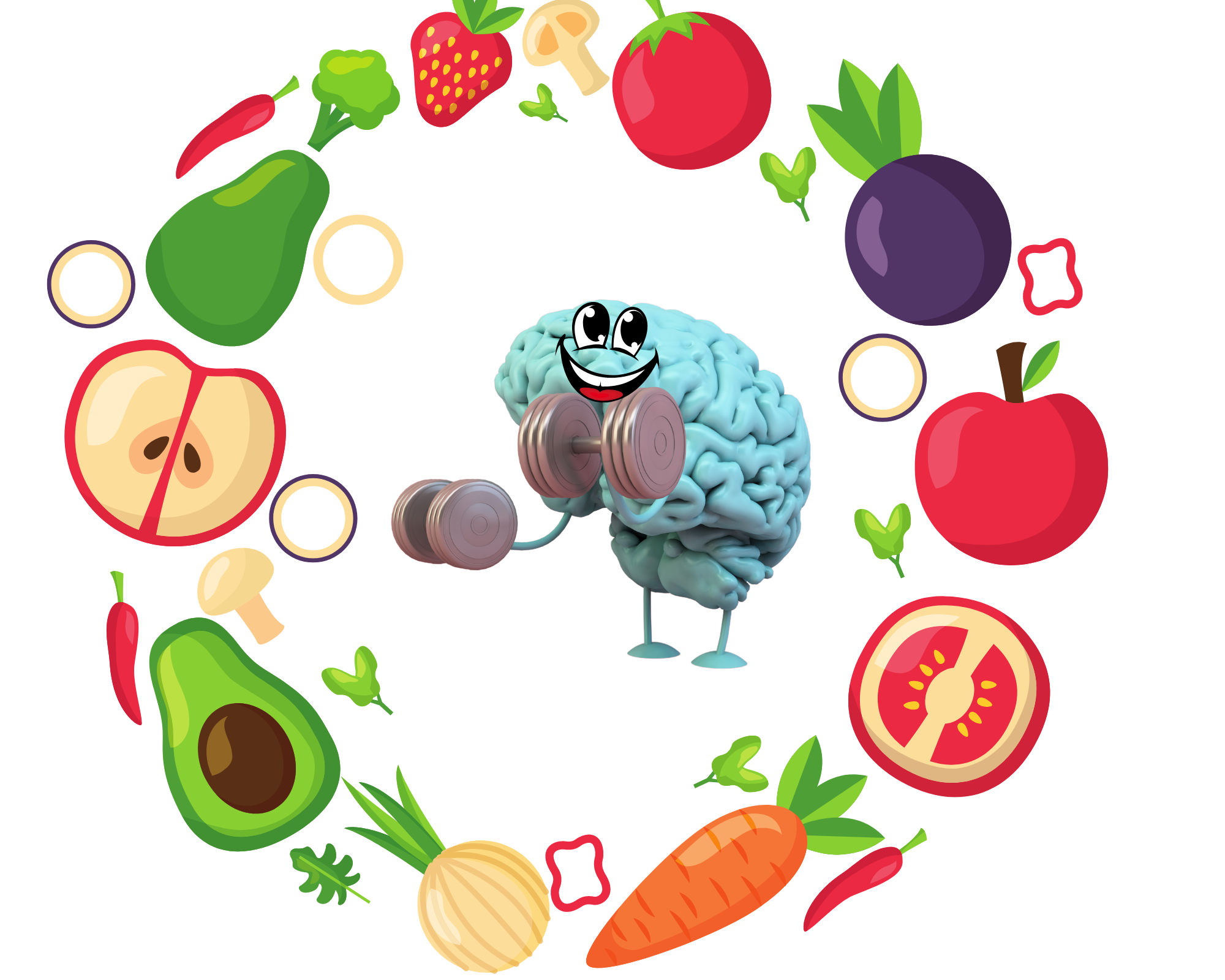
When it comes to recovering from addiction, most of us tend to focus on therapy, support groups, and medication-assisted treatment. But did you know that what you eat can also have a huge impact on your recovery? That’s right, your brain needs food too, and not just any food – it needs the right kind of food to function at its best.
So why is nutrition so crucial for recovering addicts? Let’s dive in.
The Role of Nutrition in Addiction Recovery
Addiction takes a toll on the body and brain, depleting essential nutrients and leaving the body in a state of chronic inflammation. This can lead to a host of physical and mental health problems, including depression, anxiety, and cognitive impairment.
But with the right nutrition, you can support your body’s natural healing processes and give your brain the nutrients it needs to repair and regenerate. Here are five tips to help you make the most of your nutrition in recovery:
- Focus on whole, nutrient-dense foods. Aim for a diet that is rich in fruits, vegetables, whole grains, lean protein, and healthy fats. These foods are packed with vitamins, minerals, and antioxidants that can help protect your brain from damage.
- Stay hydrated. Drinking enough water is essential for brain health, as dehydration can lead to fatigue, headaches, and poor cognitive function. Aim to drink at least 8-10 cups of water per day, and avoid sugary or caffeinated beverages.
- Avoid processed and sugary foods. These foods are often high in calories but low in nutrients, and can wreak havoc on your blood sugar levels and mood. Instead, opt for whole foods that will provide sustained energy and stable blood sugar.
- Consider supplements. While it’s best to get your nutrients from whole foods, supplements can be helpful if you have nutrient deficiencies or if you’re not able to get enough nutrients from your diet. Talk to your doctor or a registered dietitian to determine which supplements are right for you.
- Practice mindfulness while eating. Mindful eating can help you tune in to your body’s hunger and fullness cues, and can help you make more nourishing food choices. Before eating, take a moment to check in with your body and ask yourself if you’re truly hungry.
Remember, recovery is a journey, and nutrition is just one piece of the puzzle. But by giving your body and brain the nutrients they need, you can support your overall health and well-being, and set yourself up for a successful recovery.
As expert Dr. Drew Pinsky says, “I’ve said it many times: sobriety is about making better choices.” Making better choices about what you put in your body is an important step towards a healthier, happier life in recovery.